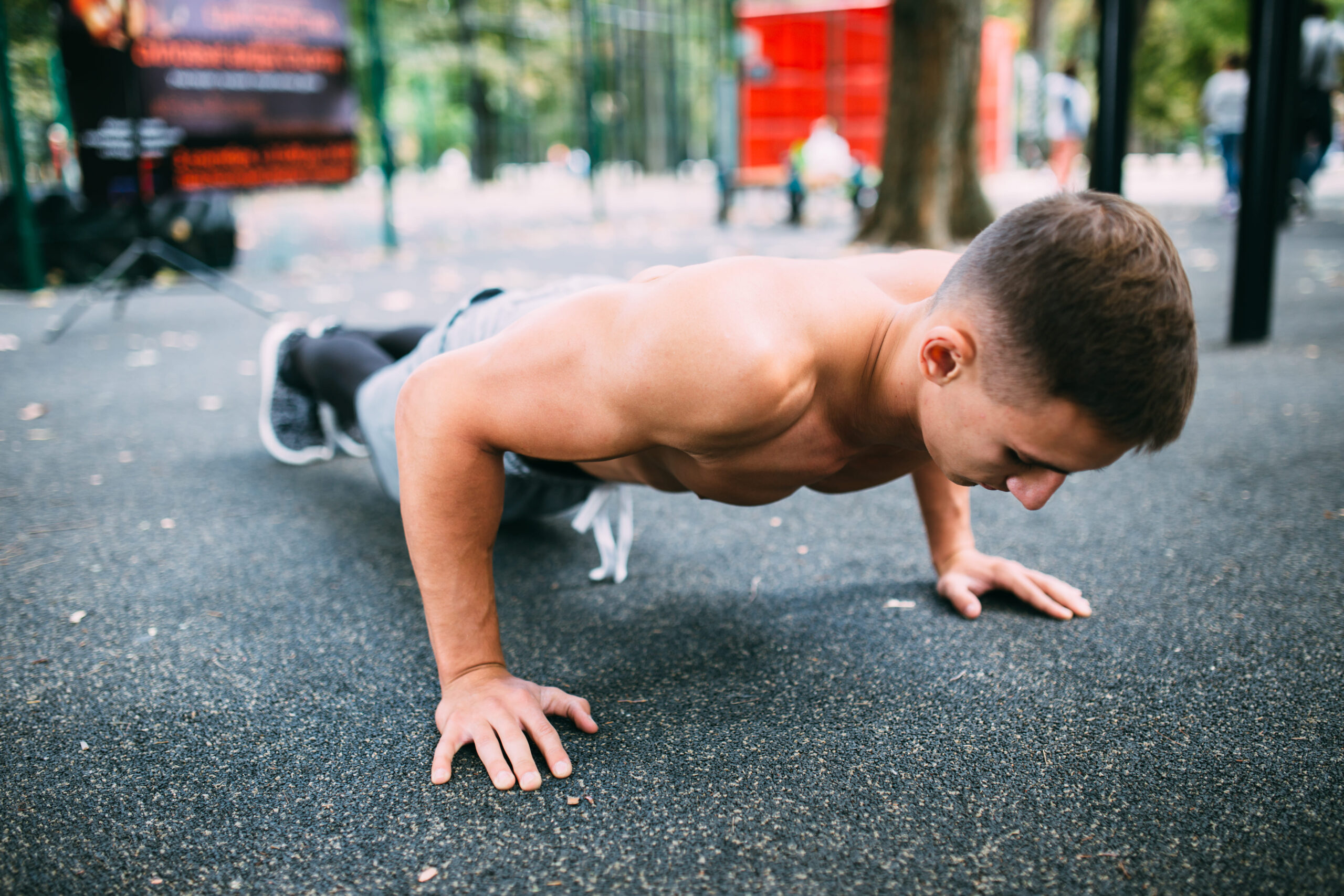
As we age, maintaining physical strength becomes increasingly important, especially for men over 60. Chest Exercises for Men Over 60 contribute to better posture, improved respiratory function, and enhanced overall health. Below are effective chest exercises tailored for older men, explain their benefits, and provide practical tips to get started safely.
The Importance of Chest Exercises for Older Men
Sarcopenia, the natural loss of muscle mass and strength as we age, affects the chest area significantly. This can lead to a hunched posture and difficulties with everyday tasks like pushing open heavy doors or carrying groceries.
Regular chest workouts can slow down and even reverse some of these effects, helping maintain muscle mass, improve posture, enhance respiratory function, and contribute to better balance and stability.
Many men worry it’s too late to start a fitness routine in their 60s or beyond. I’ve personally seen men in their 70s and 80s make remarkable progress with consistent, well-planned chest exercises. The key is to start where you are and progress gradually.
Best Chest Exercises for Men Over 60
1. Wall Push-Ups
Wall push-ups are an excellent starting point for many older clients. They’re low-impact, easy on the joints, and provide an effective chest workout.
How to perform wall push-ups:
- Stand facing a wall, about arm’s length away.
- Place your palms flat against the wall at shoulder height, slightly wider than shoulder-width apart.
- Lean in, bending your elbows, and bring your chest towards the wall.
- Push back to the starting position.
Start with 5-10 repetitions and gradually increase as you build strength. Wall push-ups engage the chest muscles while minimizing stress on the shoulders and wrists, making them ideal for people who have joint concerns.
2. Resistance Band Chest Press
Resistance bands are fantastic tools for seniors. They’re versatile, portable, and allow for smooth, controlled movements.
How to perform a resistance band chest press:
- Secure the band behind you at chest height (you can use a doorknob or sturdy pole).
- Hold the ends of the band in each hand, elbows bent at 90 degrees.
- Push forward, extending your arms in front of you.
- Slowly return to the starting position.
Aim for 10-15 repetitions, adjusting the band’s resistance as needed. Resistance bands provide constant tension throughout the movement, helping to build strength and improve muscle endurance.
3. Dumbbell Chest Press
For those ready for more challenge, light dumbbells can be incredibly effective. Start with a weight that allows you to perform 10-12 repetitions comfortably.
How to perform a dumbbell chest press:
- Lie on your back on a bench or stability ball.
- Hold a dumbbell in each hand at chest level.
- Press the weights up towards the ceiling, fully extending your arms.
- Lower the weights back down slowly.
Form is crucial here. Keep your movements slow and controlled, and don’t hesitate to use lighter weights if needed. The dumbbell chest press targets the pectoralis major, the primary chest muscle, while also engaging the triceps and shoulders.
4. Cable Machine Chest Flyes
If you have access to a gym, cable machines offer a great way to work your chest muscles with constant tension.
How to perform cable machine chest flyes:
- Stand between two cable machines set at chest height.
- Grasp the handles with your palms facing forward.
- Step forward slightly, keeping a small bend in your elbows.
- Bring your hands together in front of your chest in a hugging motion.
- Slowly return to the starting position.
Start with a light weight and focus on feeling the stretch in your chest muscles. Cable flyes provide consistent resistance throughout the movement, helping to isolate the chest muscles effectively.
Safety Considerations for Chest Exercises
Many men worry about injury when starting a new exercise routine, especially at an older age. While this concern is valid, it shouldn’t prevent you from reaping the benefits of chest exercises.
Here are some tips to stay safe:
- Always warm up before exercising: A few minutes of light cardio and gentle stretching can go a long way in preventing injury.
This increases blood flow to the muscles and improves flexibility, reducing the risk of strains or tears.
- Start with bodyweight or very light resistance: It’s better to start too easy and progress than to risk injury by going too heavy too soon.
This allows your muscles and joints to adapt gradually to the new stresses placed upon them.
- Focus on form over weight or repetitions: Proper technique is crucial for both safety and effectiveness.
Incorrect form can lead to injuries and reduce the benefits of the exercise.
If you’re unsure about your form, consider working with a qualified fitness professional or watching instructional videos from reputable sources.
- Listen to your body: If something doesn’t feel right, stop and reassess.
Pain is your body’s way of signaling that something is wrong.
Learn to distinguish between the discomfort of muscle fatigue and the pain of potential injury.
- Progress gradually: Increase the difficulty of your exercises slowly over time.
This might mean adding more repetitions, sets, or weight, but do so in small increments.
Sudden large increases in intensity can lead to injury.
- Rest and recover: Allow adequate time between workouts for your muscles to recover.
For most older adults, 48 hours between chest workouts is a good guideline.
During this time, your muscles repair and grow stronger.
- Stay hydrated: Proper hydration is crucial for muscle function and recovery.
Drink water before, during, and after your workouts.
- Use proper equipment: Ensure that any equipment you use, whether it’s resistance bands, dumbbells, or gym machines, is in good condition and appropriate for your fitness level.
Overcoming Common Challenges
One of the biggest challenges I see with my older clients is consistency. It’s easy to get discouraged if you don’t see immediate results.
Progress takes time, especially as we age.
Set realistic goals and celebrate small victories along the way. For example, being able to do one more repetition or using a slightly heavier weight are significant achievements.
Another common issue is neglecting other aspects of fitness. While chest exercises are important, they should be part of a well-rounded routine that includes cardiovascular exercise, flexibility work, and exercises for other muscle groups.
This balanced approach helps prevent muscle imbalances and supports overall health and functionality.
Incorporating Chest Exercises into Your Daily Routine
Consistency is key when it comes to seeing results from your chest exercises. Here are some tips to help you make chest workouts a regular part of your routine:
- Set a schedule: Choose specific days and times for your chest workouts and stick to them.
This helps create a habit and makes it easier to remember and prioritize your exercises.
- Start small: Begin with just a few minutes of chest exercises each day and gradually increase the duration as you build strength and endurance.
- Use everyday opportunities: Look for chances to incorporate chest exercises into your daily activities.
For example, do a few wall push-ups while waiting for your coffee to brew in the morning or during commercial breaks while watching TV.
- Make it enjoyable: Find ways to make your chest workouts more enjoyable.
This could mean listening to your favorite music, podcasts, or audiobooks while exercising, or working out with a friend or family member for added motivation and social interaction.
- Track your progress: Keep a log of your workouts, including the exercises you do, the number of repetitions, and any weights used. Seeing your progress over time can be a great motivator to continue.
- Reward yourself: Set milestones and reward yourself when you reach them.
This could be treating yourself to a massage, buying new workout gear, or simply taking time to acknowledge your hard work and dedication.
- Be flexible: While consistency is important, don’t be too rigid.
If you miss a workout, don’t beat yourself up about it.
Just get back on track with your next scheduled session.
Benefits Beyond Chest Strength
As you progress with your chest exercises, you’ll likely notice improvements not just in your chest strength, but in your overall quality of life. Many of my clients report:
- Better posture: Stronger chest muscles help counteract the forward slouch that often comes with age, leading to improved posture and reduced back pain.
- Easier breathing: A stronger chest can lead to improved lung capacity and easier breathing, which is particularly beneficial for people who have respiratory issues.
- Increased confidence: As physical strength improves, many men experience a boost in self-confidence and a more positive body image.
- Improved functional fitness: Stronger chest muscles make everyday tasks easier, from carrying groceries to pushing a lawnmower.
- Enhanced upper body appearance: Regular chest exercises can help maintain or even improve the appearance of the upper body, contributing to a more youthful look.
- Better balance and stability: Chest exercises often engage core muscles as well, which can lead to improved balance and stability, reducing the risk of falls.
- Increased bone density: Weight-bearing exercises, including many chest exercises, can help maintain or increase bone density, reducing the risk of osteoporosis.
- Improved cardiovascular health: Even moderate-intensity chest exercises can provide cardiovascular benefits, supporting heart health.

Nutrition to Support Chest Exercises
Proper nutrition plays a crucial role in supporting your chest exercises and overall fitness goals. Here are some key nutritional considerations for men over 60 engaging in chest workouts:
- Protein intake: Adequate protein is essential for muscle repair and growth.
Aim for about 1.2 to 1.6 grams of protein per kilogram of body weight daily.
Good sources include lean meats, fish, eggs, dairy, and plant-based options like beans and lentils.
- Calcium and Vitamin D: These nutrients are crucial for bone health.
Include dairy products, leafy greens, and fortified foods in your diet.
Consider a supplement if you’re not getting enough from your diet alone.
- Omega-3 fatty acids: These can help reduce inflammation and support joint health.
Include fatty fish like salmon in your diet, or consider a fish oil supplement.
- Hydration: Staying well-hydrated is crucial for muscle function and recovery.
Aim for at least 8 glasses of water a day, more if you’re exercising intensely or in hot weather.
- Balanced diet: Ensure you’re eating a variety of fruits, vegetables, whole grains, and lean proteins to get a wide range of nutrients.
- Timing of meals: Try to eat a balanced meal containing protein and carbohydrates within an hour after your workout to support muscle recovery.
Everyone’s nutritional needs are different, and it’s always a good idea to ask with a healthcare provider or registered dietitian before making significant changes to your diet, especially if you have any health conditions.
People Also Asked
What are the best chest exercises for seniors?
The best chest exercises for seniors include wall push-ups, resistance band chest presses, light dumbbell chest presses, and cable machine chest flyes. These exercises are effective and can be modified to suit different fitness levels.
How often should older men do chest exercises?
Older men should aim to do chest exercises 2-3 times per week, allowing at least one day of rest between sessions. This frequency allows for adequate muscle recovery and growth.
Can chest exercises help improve posture in older men?
Yes, chest exercises can significantly improve posture in older men. Strengthening the chest muscles helps counteract the forward slouch that often comes with age, leading to better overall posture.
Are push-ups safe for men over 60?
Modified push-ups, such as wall push-ups or incline push-ups, are generally safe for men over 60. However, it’s important to start slowly and progress gradually.
Traditional floor push-ups may be too challenging or risky for some older men, especially those with wrist or shoulder issues.
How long does it take to see results from chest exercises?
Results from chest exercises can vary depending on factors like consistency, intensity, and person physiology. Most men over 60 can expect to see noticeable improvements in strength and muscle tone within 6-8 weeks of regular exercise.
Can chest exercises help with breathing problems?
Yes, chest exercises can help improve breathing by strengthening the muscles involved in respiration. This can lead to increased lung capacity and easier breathing, which is particularly beneficial for people who have respiratory issues.
What equipment is needed for chest exercises at home?
Many effective chest exercises can be done at home with minimal equipment. Resistance bands, light dumbbells, and a sturdy wall are all you need to get started. As you progress, you might consider adding a stability ball or adjustable bench.
How can I prevent injury while doing chest exercises?
To prevent injury, always warm up before exercising, start with light weights or resistance, focus on proper form, and listen to your body. If you experience pain (not just muscle fatigue), stop the exercise and ask a healthcare professional.
Can chest exercises help with heart health?
While chest exercises primarily target muscle strength, they can contribute to overall cardiovascular health when part of a balanced exercise routine. Regular physical activity, including strength training, can help improve heart health in older adults.
How do chest exercises benefit everyday life for older men?
Chest exercises can make everyday tasks easier, such as pushing open heavy doors, carrying groceries, or lifting objects. They also contribute to better posture, which can reduce back pain and improve overall mobility.
Key Takeaways
- Chest exercises are crucial for maintaining strength and independence as men age.
- Start with low-impact exercises like wall push-ups and resistance band work, progressing gradually to more challenging exercises.
- Focus on proper form and safety to prevent injury and maximize benefits.
- Consistency is key – aim to incorporate chest exercises into your routine 2-3 times per week.
- Proper nutrition and hydration support muscle growth and recovery.